|
The incubators are equipped with wide range |
|
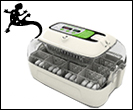 |
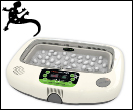 |
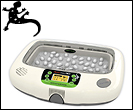 |
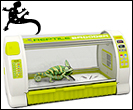 |
 |
 |
 |
|
|
|
|
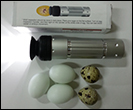
High Intensity LED Egg Candling Lamp (battery-operated) SGD 48.00 |
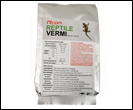
Reptile Incubation Vermiculite Hold moisture and resist molding, an ideal sterile substrate for reptile egg incubation. 170g SGD 10.00 |
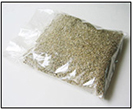
Reptile Incubation Vermiculite Hold moisture and resist molding, an ideal sterile substrate for reptile egg incubation. 5 Litres (Approximately 1kg) SGD 30.00 |
|||||||||||||||||||||||||||||||||||
 |
 |
 |
 |
 |
 |
||||||||||||||||||||||||||||||||||
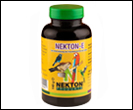
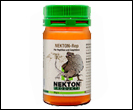
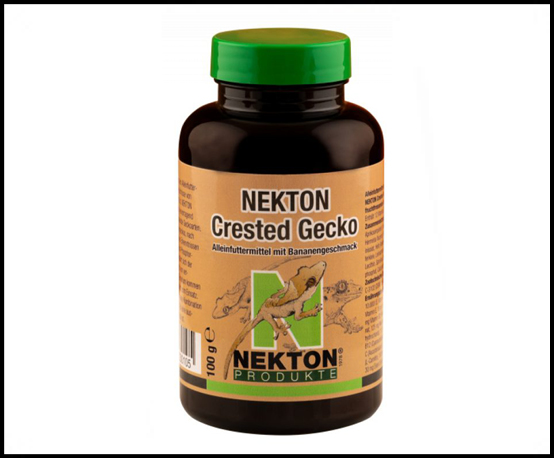
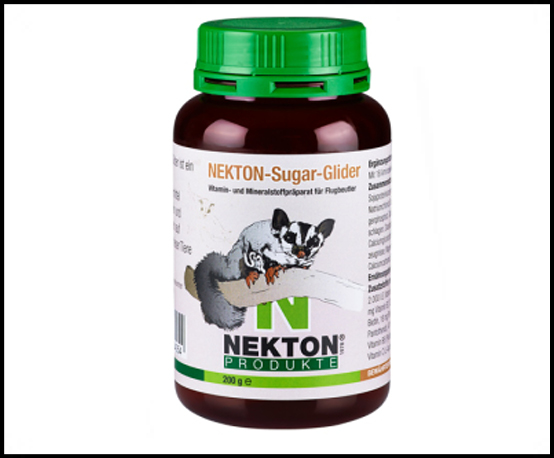
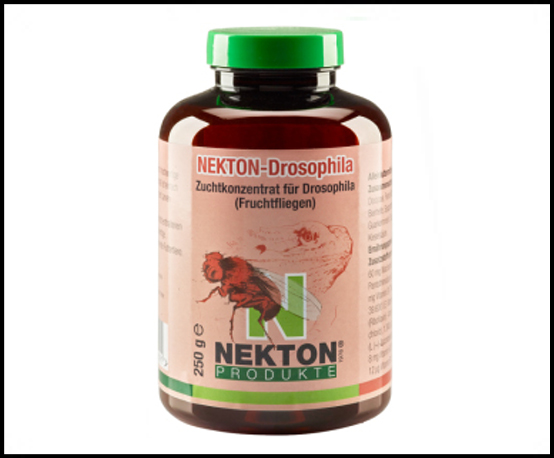
| NEKTON-E Supplement for successful breeding. Improve fertility. Strengthen immune system.
|
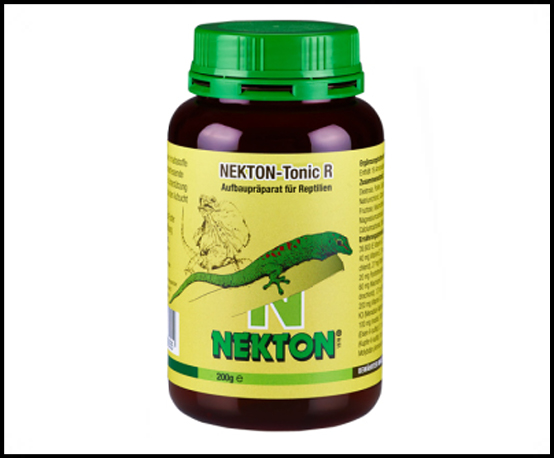
NEKTON-REP A highly valuable vitamin and mineral supplement enriched with amino acids for reptiles and amphibians. Encourages skin growth. Build up bones.
|
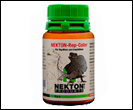
NEKTON-REP-COLOR Multi-vitamin compound with colour intensifier for reptiles and amphibians. Prevents skin colours from fading and brings out faded colours again.
|
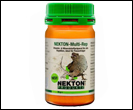
NEKTON-MULTI-REP Vitamin and mineral supplement for all reptiles, ideal for reptiles with carapaces.
|
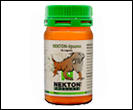
NEKTON-IGUANA A dietary supplement specially formulated to meet the nutritional needs of Green Iguanas and other plant and fruit-eating reptiles.
|
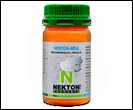
NEKTON-MSA (Calcium) (Stronger Bones and Eggshells) For birds, reptiles and amphibians. Provides calcium, phusphorus and vitamin D
|
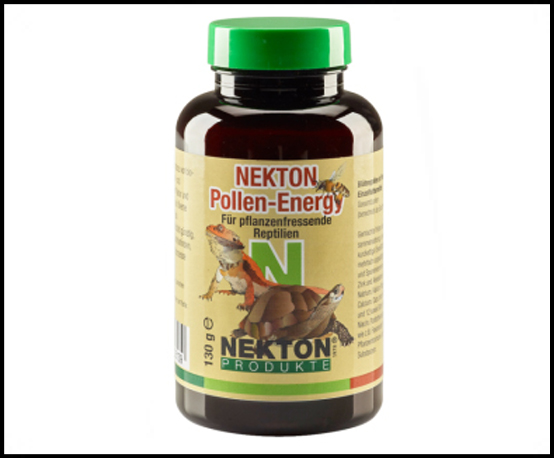
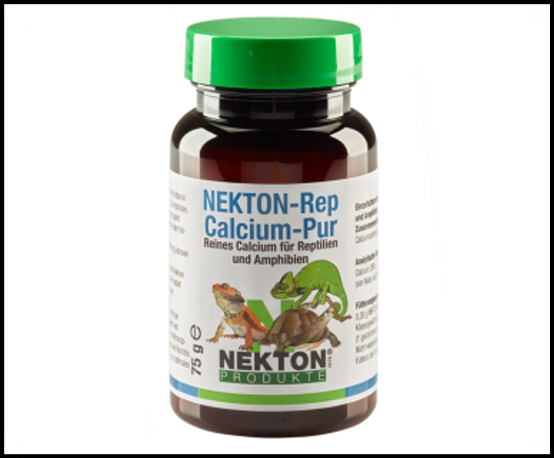
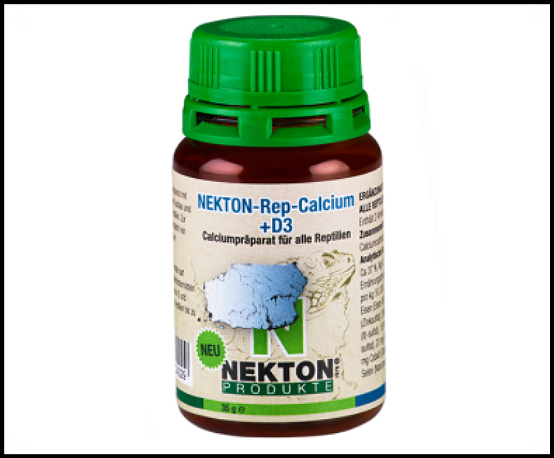
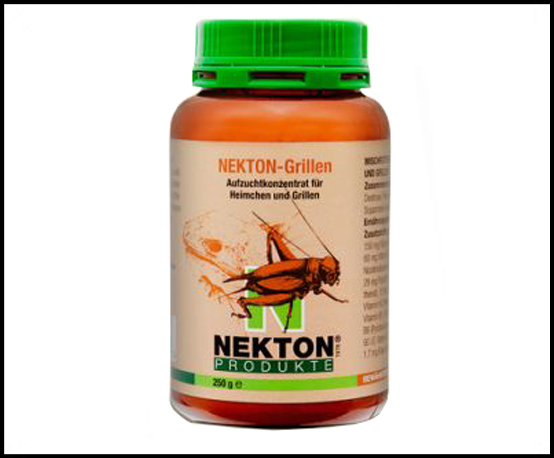
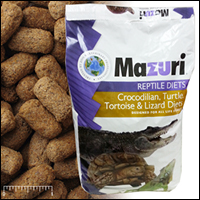 |
| Mazuri Tortoise Diet 25 Ib (11.33 kg) |
Temperatures and Hatching Times
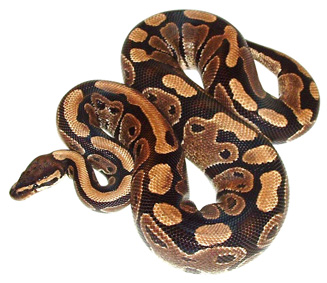
Snakes |
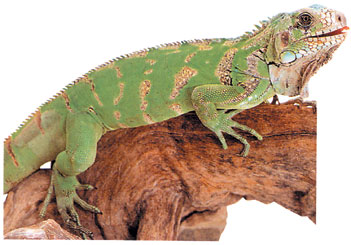
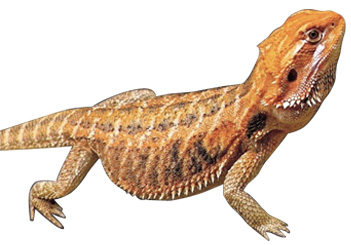
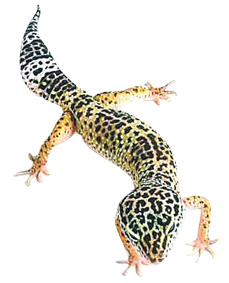
Lizards |
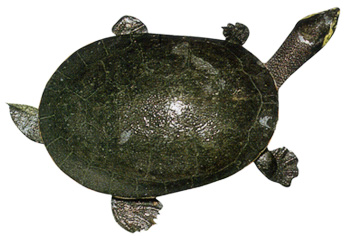
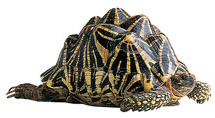
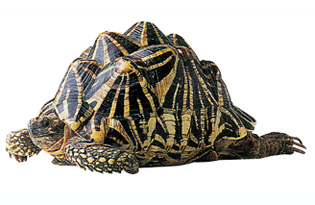
Tortoises |
 |
 |
 |
Pythons 31 - 32ºC (88 - 89.5ºF) 54 - 60 days Corn/Ratsnakes 27 - 30ºC (80.5 - 86ºF) 52 - 56 days Kingsnakes 28 - 29ºC (82.5 - 84ºF) 56 - 64 days |
Leopard Geckos 26 - 33.3ºC (79 - 92ºF) 42 - 84 days Iguanas 28 - 30.5ºC (82.5 - 87ºF) 70 - 90 days Water Dragons - Basilisks 28 - 30ºC (82.5 - 86ºF) 65 days |
26 - 34ºC (79º - 93ºF) 75 - 140 days |
• |
In general most reptiles need between 28 - 32ºC (82 - 90ºF)
but there are a few exceptions. |
| • | Temperature
affects the ratio of males to females in some species (Leopard
Geckos for example): below 28ºC (82.5ºF) results in mostly females, above 32ºC (90ºF) give mostly males. |
top